The rumors were confirmed yesterday, when the page on the Timberline website went live. We’ve all been hearing about the possibilities of a world class bike park coming to Oregon, and the odds of having such a facility (just an hour away) is becoming that much closer to being a reality. Even better, Timberline has contracted the construction to Gravity Logic, the team responsible for some of the best DH trails in the world. That is right, the team that created legendary trails like A-Line and Dirt Merchant will be working with Timberline to create a piece of freeride heaven on our local mountain. The project is still in a design phase, but construction could begin as soon as this fall, and possibly opening as soon as next summer.
Head straight over to the Timberline website to read more. Timberline is asking for riders to provide feedback on what they would like to see in such a park. Comment periods like this are important in the planning process, and document the amount of community support for a project. The Forest Service documents this stuff closely, so click HERE right now, and tell them how stoked you are, and what kinds of stuff you want to see!
Straight from the source:
Working with the US Forest Service as Partners In Recreation – our goal is to fill a growing public need that is currently under-serviced in our region. Mountain bike trails within the Timberline permit area will be continually monitored and managed in a professional capacity – with a focus on safety, minimizing environmental impacts, and creating fun trails that mountain bikers want to ride. Trails for all ability levels are planned, as well as a skills park and complete rental facility for all needed gear to prepare you for a fun day on the mountain.
World Class Facility
We have contracted with Gravity Logic, a consulting firm out of Whistler, British Columbia to design and develop our mountain bike trail plans. Gravity Logic is the creator of the world-famous Whistler Mountain Bike Park that has earned the position of being the gold-standard by which other mountain bike areas are measured.
It should be obvious that a bike park of this statue would be a huge boon to the FR/DH scene. It would even provide jobs for local trail builders:
With homegrown mountain bike trails popping up all over the forest, a major difference with our project will be the ongoing, active management of the area. A full-time trail maintenance crew will be employed to ensure the initial design is maintained. This will create a more consistent environment for mountain bike riders and will also maintain the areas integrity with the surrounding environment.
Thursday, May 20, 2010


Finally coming clean

Nearly four years after he began waging a costly, draining, and ultimately losing battle to discredit his positive test for synthetic testosterone at the 2006 Tour de France, Floyd Landis told ESPN.com on Wednesday that he used performance-enhancing drugs for most of his career as a professional road cyclist, including the race whose title he briefly held.
In a lengthy telephone interview from California, Landis detailed extensive, consistent use of the red blood cell booster erythropoietin (commonly known as EPO), testosterone, human growth hormone and frequent blood transfusions, along with female hormones and a one-time experiment with insulin, during the years he rode for the U.S. Postal Service and Switzerland-based Phonak teams.
Landis confirmed he sent e-mails to cycling and anti-doping officials over the past few weeks, implicating dozens of other athletes, including seven-time Tour de France winner Lance Armstrong; team management and owners; and officials of the sport's national and international governing bodies. ESPN.com is in the process of seeking comment from those individuals. Armstrong has long been dogged by accusations that he used performance-enhancing drugs, but no anti-doping authority has ever confirmed that he tested positive.
Armstrong, who is currently competing in the Tour of California, told reporters Thursday: "I have nothing to hide," and "history speaks for itself here."
"It's his word versus ours ... we like our word, we like our credibility," Armstrong said.
Landis also accused American riders Levi Leipheimer and Dave Zabriskie and Armstrong's longtime coach, Johan Bruyneel, of involvement in doping.
The World Anti-Doping Agency said in a statement Thursday that they would open an investigation into Landis' allegations.
"WADA is aware of the serious allegations made by Mr Landis. We are very interested in learning more about this matter and we will liaise with the United States Anti-Doping Agency (USADA) and any other authorities with appropriate jurisdiction to get to the heart of the issues raised. WADA looks forward to these further investigations and enquiries by those responsible."
International Cycling Union (UCI) president Pat McQuaid said Landis' allegations were "scandalous and mischievous."
“I don't feel guilty at all about having doped. I did what I did because that's what we [cyclists] did and it was a choice I had to make after 10 years or 12 years of hard work to get there, and that was a decision I had to make to make the next step. My choices were, do it and see if I can win, or don't do it and I tell people I just don't want to do that, and I decided to do it. ”
-- Floyd Landis
"These guys coming out now with things like this from the past is only damaging the sport," McQuaid told The Associated Press in a telephone interview Thursday. "If they've any love for the sport they wouldn't do it."
The governing body said it regretted that Landis accused former teammates without allowing U.S. cycling and anti-doping authorities time to investigate.
"An impartial investigation is a fundamental right as Mr. Landis will understand having contested, for two years, the evidence of his breach of the anti-doping rules in 2006," UCI said in a statement.
McQuaid said it was up to U.S.A Cycling and the U.S. Anti-Doping Agency to look into the allegations.
In a statement released Thursday, USADA said it does "not comment on the substance of any doping investigation."
In an e-mail to USA Cycling president Steve Johnson dated April 30, Landis related a number of anecdotes he said were representative of his time in the European peloton.
However, as Landis told ESPN.com, no one ever coerced him into doping.
"I take responsibility for all the stuff I did," Landis said in the interview. "No one gave me something and said, 'Don't ask what this is, just take it.' I would never have done that. The things I took, I knew what they were, and I spent the time researching what the risks were, and the decisions I made were mine. The whole entire process of doping in the entire sport and the evolution of it all wasn't my fault, but when it came down to it, me being there, I made the decision to do it. It wasn't anyone else telling me to do it. I'm not blaming anyone for that. It was my decision. Every time."
In the e-mail to Johnson, Landis said that Bruyneel, the longtime sports director of the U.S. Postal Service, Discovery Channel, Astana and RadioShack teams who guided Armstrong and Spain's Alberto Contador to a combined nine Tour de France victories, "instructed" Landis on how to use testosterone patches when he was riding for Postal in 2002. Landis added that he first used EPO on Bruyneel's advice the following summer while training for the Tour of Spain, that he obtained the drug directly from Armstrong, and that he started using HGH that he bought from a team trainer in Valencia during that same training period.
Floyd Landis says he used performance-enhancing drugs for most of his career as a professional road cyclist.
In the same e-mail, Landis said he worked with Armstrong's personal trainer, Dr. Michele Ferrari of Italy, who consulted with several riders on the Postal team at the height of Armstrong's career. Ferrari helped Landis with the extraction and re-tranfusion of his own blood during one session in St. Moritz, Switzerland in 2002, according to Landis.
"I paid [Ferrari] $10,000 [that season]," Landis told ESPN.com. "He only accepted cash. His normal fee is 10 percent of your salary."
"I mean, he's one of the best references," Landis said of Ferrari, who worked with numerous top cyclists. In 2004, Ferrari was convicted of sporting fraud and abusing his medical license by an Italian court, but later succeeded in having that judgment reversed on appeal. "I didn't wish to take the risks on my own and especially since it was fairly clear that his advice was endorsed by Lance himself," Landis said in the ESPN.com interview. "And therefore Johan and the other guys that knew of it and were involved -- working with him, they'd understand the risks that I was taking as well and therefore trust me."
Landis also said he and Armstrong discussed the efficacy of the then-newly developed test for EPO in 2002.
In the e-mail to Johnson, Landis said he had blood extracted in 2003 inside the apartment Armstrong owned in the historic center of Girona, Spain, and that it was stored in a refrigerator there along with blood extracted from Armstrong and teammate George Hincapie. Landis said Armstrong asked him to stay in the apartment on one occasion while Armstrong was away in order to make sure the refrigerator did not malfunction.
He also said in the e-mail that a team doctor gave him and Hincapie, who he said was his roommate during the 2003 Tour de France, syringes filled with olive oil in which andriol, a form of testosterone that can be taken orally, had been dissolved.
Hincapie said he was disappointed to hear Landis' accusations.
"I have been a professional on the circuit for 17 years -- which is one of the longest careers in the peloton. During that time, I have earned the respect of my peers and a reputation for working hard, honestly and honorably," he said in a statement.
Landis further described personally seeing other riders receive transfused blood, including once on the team bus after a stage of the 2004 Tour de France, The bus driver stopped on a "remote mountain road" for an hour, pretending the bus had engine trouble while the entire team received transfusions, Landis said in the e-mail.
Landis, seeking his own chance to become a team leader, signed with the Phonak team before the 2005 season. In the e-mail to Johnson, the rider claimed that he negotiated with team owner Andy Rihs for extra money to cover the expenses of a doping program. Phonak was stung by several high-profile doping cases from 2004-06, including that of Landis' fellow American Tyler Hamilton, who was convicted of using banned transfusions.
Rihs issued a statement saying Landis' claims were "lies" and a "last, tragic attempt" to get publicity.
"Floyd Landis personally signed that he would uphold our code and use no illegal practices when he joined our former racing group," Rihs said.
The whole team was convinced that he was upholding this until his doping was revealed at the 2006 Tour.
"Neither I, nor the leadership of the team, knew that Floyd Landis doped," Rihs said.
The Wall Street Journal also reported details of Landis' e-mails Thursday morning.
Landis' doping conviction cost him his Tour title, his career, his life savings and his marriage. He said he knows his credibility is in tatters and that many people will choose not to believe him now. He added that he has no documentation for many of the claims he is making about other riders or officials, and that it will be his word against theirs.
However, Landis said he finally decided to come forward because he was suffering psychologically and emotionally from years of deceit, and because he has become a cycling pariah with little to no chance of ever riding for an elite team again. Prior to speaking with ESPN.com, he said he made his most difficult phone call -- to his mother in Pennsylvania to tell her the truth for the first time.
"I want to clear my conscience," Landis said. "I don't want to be part of the problem any more.
"With the benefit of hindsight and a somewhat different perspective, I made some misjudgments. And of course, I can sit here and say all day long, 'If I could do it again I'd do something different,' but I just don't have that choice."
Landis said he takes full responsibility for having doped on every occasion that he did it, and added he was never forced or threatened.
"I don't feel guilty at all about having doped," Landis told ESPN.com. "I did what I did because that's what we [cyclists] did and it was a choice I had to make after 10 years or 12 years of hard work to get there, and that was a decision I had to make to make the next step. My choices were, do it and see if I can win, or don't do it and I tell people I just don't want to do that, and I decided to do it."
According to Landis, his first use of performance-enhancing drugs was in June 2002, when he was a member of the U.S. Postal Service team. The World Anti-Doping Agency's statute of limitations for doping offenses is eight years, and Landis said that, too, is part of his motivation for divulging his inflammatory information.
"Now we've come to the point where the statute of limitations on the things I know is going to run out or start to run out next month," Landis said. "If I don't say something now, then it's pointless to ever say it."
Landis, who began his career as a top mountain biker, had kept detailed training journals since he was a teenager. He said he continued the same methodical record-keeping once he started using banned drugs and techniques. Landis said he spent as much as $90,000 a year on performance-enhancing drugs and on consultants to help him build a training regime. Landis said he has kept all of his journals and diaries and has offered to share them with U.S. anti-doping authorities in recent meetings. He added that he has given officials detailed information on how athletes are beating drug testing.
As for his own positive test, Landis still maintains that result was inaccurate and that he had not used synthetic testosterone during the 2006 season -- although he now admits he used human growth hormone during that time. At this point, he said he does not want to dwell on any of the issues he and his lawyers hammered at during his case.
"There must be some other explanation, whether it was done wrong or I don't know what," he said. "You can try to write it however you want -- the problem I have with even bothering to argue it is [that] I have used testosterone in the past and I have used it in other Tours, and it's going to sound kind of foolish to say I didn't."
Landis exhausted most of his own savings in fighting his case, which cost an estimated $2 million, and also raised funds for his defense in a well-publicized effort. He said he would pay those donors back if he could, but does not have the money to do so. He said he did not level with the people close to him, but declined to say whether he informed his lawyers of his past drug use.
Wednesday, May 19, 2010
Duh......
Real fitness comes from years of puritanical self-denial, the kind of stark existence that molds body and mind into a steely machine capable of stunning physical feats. Oh, and it also takes a few pints of good beer. It turns out that beer and fitness really do go hand-in-hand, despite the beverage’s bad reputation (beer bellies, dehydration, public drunkenness, bar brawls, frat boys, etc.) The delicious brew is chock-full of natural antioxidants and vitamins that can prevent heart disease and even help rebuild muscle, and we're going to let you in on precisely why beer and fitness belong together.
So go ahead and knock back a cold one. It’s good for you.
Good Beer vs. OK Beer
When it comes to health, some beers are better than others. Generally, dark beers pack more of an antioxidant punch than light beers (antioxidants help reverse the cellular damage caused by oxidizing compounds that naturally occur in your body).
Researchers at the University of Washington, bless their souls, found that dark beers —specifically Guinness — had greater health benefits than light lagers. Ironically, the old Guinness slogan was “A Guinness a day,” a thinly veiled promise of the beer’s health benefits. However, the company was forced to abandon the phrase decades ago.
Microbrews also tend to harbor more of the good stuff than mass-produced brews. For example, Men’s Health found that Avery Maharaja Imperial India Pale Ale contains 80 times the hops of big-brand lagers. Hops contain polyphenols, compounds that help lower cholesterol, fight cancer and kill viruses. So if you want maximum health benefits, spend a little more on the brew you imbibe.
Energy
Ounce-for-ounce, beer has one of the highest energy contents of any food or drink. Only pure fat can top it. So keep that in mind when you guzzle three or four at the local pub. Your average beer has about 120 calories, and four have as many calories as a Big Mac. That many calories can have dire consequences if you’re trying to lose weight. One beer after work probably won’t tip the scales in either direction, though. Drink beer in moderation and you won’t hold on to all those extra calories.
If you’re looking for an energy boost, beer is definitely not the answer. Alcohol is pure caloric fuel, but it does funny (and fun) things to your physiology — it makes you tired and sluggish. Beer and fitness do complement one another — as long as you're not trying to enjoy both at once.
Recovery
Work your muscles and they’ll start to fall apart. Your body rebuilds them, makes them stronger and gets them ready to face the next workout. Protein, carbs, vitamins, and specifically antioxidants help put things back together. The latest research has found that beer has almost as many antioxidants as red wine, which is saying something. So how do beer and fitness go together at the recovery stage? A dark beer a few hours after a workout can deliver a good dose of antioxidants. Still, you’ll probably want to reach for water and a healthy snack — like fruit and yogurt — immediately following your routine at the gym.
Hydration
Think that the alcohol in beer will dry you out? Think again. Researchers at the Granada University in Spain have found that beer can provide better hydration than water in some instances, like after a workout. Professor Manuel Garzon, the head of this study on beer and fitness, asked students to sweat it out in 104 degree weather. Then he gave half of the students water and the other half beer. He found that the students who had a pint were slightly more hydrated. So does this mean that you should slam a cold one after a run? Probably not. While beer is 93 percent water and appears to hydrate you better than H2O alone, it’s not the best thing after exercise. Drink water and have a piece of fruit instead. However, don’t pass up a pint the night before a big workout for fear of dehydration — seems that some beer won’t dry you out as much as you thought.
LAGER LESSONS
Benjamin Franklin once said, “Beer is proof that God loves us and wants us to be happy.” Whether you’re religious or not, you can probably agree that beer is proof of some sort of positive force in the universe. It makes you feel great and helps heal a broken body (and, sometimes, a broken soul). Drink beer in moderation — too much of a good thing, even beer, can be very bad. Alcoholism can lead to liver problems, kidney disease, heart disease, and a shattered social life. However, it turns out that beer is good, even if you’re a fitness nut.
So go ahead and knock back a cold one. It’s good for you.
Good Beer vs. OK Beer
When it comes to health, some beers are better than others. Generally, dark beers pack more of an antioxidant punch than light beers (antioxidants help reverse the cellular damage caused by oxidizing compounds that naturally occur in your body).
Researchers at the University of Washington, bless their souls, found that dark beers —specifically Guinness — had greater health benefits than light lagers. Ironically, the old Guinness slogan was “A Guinness a day,” a thinly veiled promise of the beer’s health benefits. However, the company was forced to abandon the phrase decades ago.
Microbrews also tend to harbor more of the good stuff than mass-produced brews. For example, Men’s Health found that Avery Maharaja Imperial India Pale Ale contains 80 times the hops of big-brand lagers. Hops contain polyphenols, compounds that help lower cholesterol, fight cancer and kill viruses. So if you want maximum health benefits, spend a little more on the brew you imbibe.
Energy
Ounce-for-ounce, beer has one of the highest energy contents of any food or drink. Only pure fat can top it. So keep that in mind when you guzzle three or four at the local pub. Your average beer has about 120 calories, and four have as many calories as a Big Mac. That many calories can have dire consequences if you’re trying to lose weight. One beer after work probably won’t tip the scales in either direction, though. Drink beer in moderation and you won’t hold on to all those extra calories.
If you’re looking for an energy boost, beer is definitely not the answer. Alcohol is pure caloric fuel, but it does funny (and fun) things to your physiology — it makes you tired and sluggish. Beer and fitness do complement one another — as long as you're not trying to enjoy both at once.
Recovery
Work your muscles and they’ll start to fall apart. Your body rebuilds them, makes them stronger and gets them ready to face the next workout. Protein, carbs, vitamins, and specifically antioxidants help put things back together. The latest research has found that beer has almost as many antioxidants as red wine, which is saying something. So how do beer and fitness go together at the recovery stage? A dark beer a few hours after a workout can deliver a good dose of antioxidants. Still, you’ll probably want to reach for water and a healthy snack — like fruit and yogurt — immediately following your routine at the gym.
Hydration
Think that the alcohol in beer will dry you out? Think again. Researchers at the Granada University in Spain have found that beer can provide better hydration than water in some instances, like after a workout. Professor Manuel Garzon, the head of this study on beer and fitness, asked students to sweat it out in 104 degree weather. Then he gave half of the students water and the other half beer. He found that the students who had a pint were slightly more hydrated. So does this mean that you should slam a cold one after a run? Probably not. While beer is 93 percent water and appears to hydrate you better than H2O alone, it’s not the best thing after exercise. Drink water and have a piece of fruit instead. However, don’t pass up a pint the night before a big workout for fear of dehydration — seems that some beer won’t dry you out as much as you thought.
LAGER LESSONS
Benjamin Franklin once said, “Beer is proof that God loves us and wants us to be happy.” Whether you’re religious or not, you can probably agree that beer is proof of some sort of positive force in the universe. It makes you feel great and helps heal a broken body (and, sometimes, a broken soul). Drink beer in moderation — too much of a good thing, even beer, can be very bad. Alcoholism can lead to liver problems, kidney disease, heart disease, and a shattered social life. However, it turns out that beer is good, even if you’re a fitness nut.
Tuesday, May 18, 2010

Monday, May 17, 2010
Galbraith Mountain to remain a haven for mountain bikers
BELLINGHAM - Galbraith Mountain will continue to be a playground for mountain bikers under a new agreement between the WHIMPs Mountain Bike Coalition and Polygon Financial of Bow, the new owner of 3,215 forested acres on the mountain.
It is essentially the same agreement WHIMPs had with the previous owner, Bellingham-based Trillium Corp.
The volunteer organization and Polygon entered the recreational use agreement Wednesday, May 5, allowing WHIMPs to continue maintaining and building mountain bike trails and features under approval from Polygon. Trails must be built to safety standards set by the International Mountain Biking Association.
The "revocable license" can be terminated by WHIMPs or Polygon at any time, with at least 10 days of written notice.
"WHIMPs stewardship of the mountain is recognized in this agreement. They are good partners on the mountain," said Blair Murray, owner of Tin Rock Management, which is managing the property for Polygon.
"There's no trash, it's clean, the trails are well-marked. There's information available at the kiosk. That's all their work," Murray said. "This agreement recognizes their role on the mountain."
Polygon will continue to allow the public to play on the mountain for free under the provisions of the state Recreational Use Immunity Act, which limits the liability of landowners who open their property to the public for recreation.
"The public is welcome to use the mountain for non-motorized recreational uses as long as they respect the mountain and know their limitations when it comes to riding or recreating on the mountain," Murray said. "It's important that they respect that it is in private ownership."
Mark Peterson, president of the mountain biking group, said the agreement allowed "Polygon to have confidence that there was a legitimate organization that was professional in how we help manage the trail system on their land."
"It allows us to effectively continue to manage the trail system on Galbraith Mountain," he added.
The WHIMPs had served as the official steward in the area for more than seven years under the previous agreement with Trillium, and its volunteers have built a network of trails totaling 42 miles on Galbraith. Located just east of Bellingham city limits, Galbraith is the common name for Lookout Mountain.
Peterson also praised Polygon for an agreement that "continues this incredible recreational opportunity."
Mountain bikers had used Galbraith as a playground for years before Trillium assumed ownership in 2001. Trillium's agreement with WHIMPs marked the first time bicycle use was officially recognized on the mountain since the sport came to Bellingham in the 1980s.
Over the years, the area also has become increasingly popular with runners and hikers.
Polygon became the owner of the Galbraith tract after Trillium ceded the property to Polygon "in lieu of foreclosure" on Oct. 22, according to property records on file with the Whatcom County auditor.
Trillium had an option that lasted until Oct. 16, 2010, to buy back the property from Polygon. Trillium surrendered the option Jan. 29.
Trillium acquired the property from Bloedel Timberlands and used it to help secure a $17 million loan from Idaho-based Old Standard Life Insurance Co. in 2002. Old Standard was an affiliate of Metropolitan Mortgage Co. of Spokane, which collapsed in 2004 and left thousands of investors in the lurch.
In 2005, when Old Standard was under the oversight of Idaho insurance regulators, the company sold its interest in the Galbraith property to Polygon with regulators' approval. That made Polygon the holder of the mortgage on the Trillium property.
Trillium has tried to start the process of getting the forestry-zoned land on Galbraith reclassified for eventual residential development. The Whatcom County Council voted against that request in 2006 and 2007.
Murray is in the midst of a 90-day assessment - "an internal review" of the property that he said will not be followed by a public announcement.
The baseline review will look at past and current use on the mountain, including timber and recreation.
-----------------------------------------------------
MORE ON GALBRAITH
• Read the new recreational use agreement signed by Polygon Financial of Bow, the new owner of the 3,215-acre Galbraith Mountain, and the WHIMPs Mountain Bike Coalition by going online to whimpsmtb.com/mountains.html.
• No fires are allowed on Galbraith Mountain, said Blair Murray, owner of Tin Rock Management, which is managing the property for Polygon.
He issued the warning Wednesday, May 12, after finding two fire pits on the forested tract earlier this week.
Murray said the fires - one in the middle of a road on the mountain and one on a promontory near some old timber slash - probably were lit over the weekend.
It is essentially the same agreement WHIMPs had with the previous owner, Bellingham-based Trillium Corp.
The volunteer organization and Polygon entered the recreational use agreement Wednesday, May 5, allowing WHIMPs to continue maintaining and building mountain bike trails and features under approval from Polygon. Trails must be built to safety standards set by the International Mountain Biking Association.
The "revocable license" can be terminated by WHIMPs or Polygon at any time, with at least 10 days of written notice.
"WHIMPs stewardship of the mountain is recognized in this agreement. They are good partners on the mountain," said Blair Murray, owner of Tin Rock Management, which is managing the property for Polygon.
"There's no trash, it's clean, the trails are well-marked. There's information available at the kiosk. That's all their work," Murray said. "This agreement recognizes their role on the mountain."
Polygon will continue to allow the public to play on the mountain for free under the provisions of the state Recreational Use Immunity Act, which limits the liability of landowners who open their property to the public for recreation.
"The public is welcome to use the mountain for non-motorized recreational uses as long as they respect the mountain and know their limitations when it comes to riding or recreating on the mountain," Murray said. "It's important that they respect that it is in private ownership."
Mark Peterson, president of the mountain biking group, said the agreement allowed "Polygon to have confidence that there was a legitimate organization that was professional in how we help manage the trail system on their land."
"It allows us to effectively continue to manage the trail system on Galbraith Mountain," he added.
The WHIMPs had served as the official steward in the area for more than seven years under the previous agreement with Trillium, and its volunteers have built a network of trails totaling 42 miles on Galbraith. Located just east of Bellingham city limits, Galbraith is the common name for Lookout Mountain.
Peterson also praised Polygon for an agreement that "continues this incredible recreational opportunity."
Mountain bikers had used Galbraith as a playground for years before Trillium assumed ownership in 2001. Trillium's agreement with WHIMPs marked the first time bicycle use was officially recognized on the mountain since the sport came to Bellingham in the 1980s.
Over the years, the area also has become increasingly popular with runners and hikers.
Polygon became the owner of the Galbraith tract after Trillium ceded the property to Polygon "in lieu of foreclosure" on Oct. 22, according to property records on file with the Whatcom County auditor.
Trillium had an option that lasted until Oct. 16, 2010, to buy back the property from Polygon. Trillium surrendered the option Jan. 29.
Trillium acquired the property from Bloedel Timberlands and used it to help secure a $17 million loan from Idaho-based Old Standard Life Insurance Co. in 2002. Old Standard was an affiliate of Metropolitan Mortgage Co. of Spokane, which collapsed in 2004 and left thousands of investors in the lurch.
In 2005, when Old Standard was under the oversight of Idaho insurance regulators, the company sold its interest in the Galbraith property to Polygon with regulators' approval. That made Polygon the holder of the mortgage on the Trillium property.
Trillium has tried to start the process of getting the forestry-zoned land on Galbraith reclassified for eventual residential development. The Whatcom County Council voted against that request in 2006 and 2007.
Murray is in the midst of a 90-day assessment - "an internal review" of the property that he said will not be followed by a public announcement.
The baseline review will look at past and current use on the mountain, including timber and recreation.
-----------------------------------------------------
MORE ON GALBRAITH
• Read the new recreational use agreement signed by Polygon Financial of Bow, the new owner of the 3,215-acre Galbraith Mountain, and the WHIMPs Mountain Bike Coalition by going online to whimpsmtb.com/mountains.html.
• No fires are allowed on Galbraith Mountain, said Blair Murray, owner of Tin Rock Management, which is managing the property for Polygon.
He issued the warning Wednesday, May 12, after finding two fire pits on the forested tract earlier this week.
Murray said the fires - one in the middle of a road on the mountain and one on a promontory near some old timber slash - probably were lit over the weekend.
Friday, May 14, 2010

Two top mountain-bike racers face impersonation charges

Two top Colorado mountain-bike racers face felony criminal-impersonation charges after allegedly cheating in last year's Leadville Trail 100.
Veteran endurance athlete Wendy Lyall, 36, used Katie Brazelton's entry number in the 2009 race, finishing second in the women's age 40-49 class.
"It probably would have gone unnoticed except the woman who did race came in second in her age group, and in front of a thousand people, one of them went up and stood on the podium and accepted the award and accepted the trophy and the prizes that went with it," race founder and organizer Ken Chlouber said.
Lyall has been charged with criminal impersonation, a Class 6 felony. Brazelton, 40, will face the same charge, District Attorney Mark Hurlbert said. Class 6 is the lowest felony charge.
"After talking with people in the race, this is something very serious," Hurlbert said.
The investigation began after Chlouber received an anonymous tip that Brazelton may not actually have pedaled in the 100-mile race.
When contacted by Chlouber and, later, by Lake County Sheriff Ed Holte, the women confessed to the deception. They returned the coveted belt buckle, pendant and necklace that came with second place and sent Chlouber a letter admitting their wrongdoing and offering "to do anything to rectify the situation."
"But the situation cannot be rectified," Chlouber said. "You can't go back in time and give those ladies who should have podiumed their time in the sun. That's gone."
Brazelton and Lyall could not be reached for comment.
The Leadville Trail 100 is Colorado's most-storied mountain-bike race, with more than 14,000 vertical feet of high-altitude climbing that clobbers even the most-hardened racers.
The crowning of last year's winner, cycling superstar Lance Armstrong, has elevated the formerly Colorado-centric race to a national contest, drawing the most-renowned racers in the country.
The soaring popularity has converted the race's entry lottery into a gone-in-minutes clamor for bib numbers. Entries are not refundable or transferrable, which is reiterated at every pre-race briefing, Chlouber said.
Just before last August's race, Chlouber said he received a call from a local bike-shop owner pleading for an entry number for Brazelton, who did not win a slot in the lottery. Chlouber granted the request.
"This truly is really sad for us," he said. "We try to do the right thing, and then people cheat."
It's unclear how Lyall bypassed the photo-ID check at registration, Chlouber said. It's also unclear whether Lyall or Brazelton, both from Vail, took the podium to accept the second- place trophy for finishing the race in 9 hours, 53 minutes and 27 seconds.
With Brazelton's name now removed from the Leadville Trail 100's list of 2009 finishers, Rachel Farrett of Parker climbs to second and Jacqui Wood of Carbondale moves to third.
Chlouber said Farrett and Wood will receive their trophies in a special ceremony before this year's race, which takes place Aug. 14.
Farrett said the trophy doesn't matter that much to her.
"I just race my best on that given day," she said.
Farrett remembers the woman who passed her on the race course had blond hair. The woman who accepted the trophy did not.
"I did not recognize her at all," said Farrett, who will race her third Leadville Trail 100 this year.
Wood, too, said the reward is more about personal accomplishment than any prize.
"But I think the whole deception thing is wrong. Not very cool at all," said Wood, who did not land an entry in this year's lottery.
Chlouber, who has banned Lyall and Brazelton from ever racing the Leadville Trail 100 again, said Wood will get the spot Lyall won in the January lottery for this year's race.
Charging the women criminally is going too far, said Vail athlete Sheryl Miller, a friend of Lyall's and Brazelton's and a longtime Leadville Trail 100 racer.
Miller said Brazelton could not race because of an injury and didn't want to waste the $250 fee.
"Wendy and Katie are passionate about this sport, and it was never about doing anyone harm or doing anything wrong. It was about getting an opportunity to race a great race," said Miller, who will race her 10th Leadville Trail 100 this summer and finished sixth in the 40-to-49 group last year. "I don't think it helps the organizers to make this such a big deal. They should just deal with it with Wendy and Katie directly."
Do you ride on the Burke-Gilman and Sammamish River Trails? To commute, for exercise, or out with your family?
Every five years we count the number of bicyclists and pedestrians who use these cherished trails. We use the information we collect to advocate for new and better bike facilities all around our region. When we ask for projects, it makes a big difference to know that thousands of people use our trails every day.
Do you have three hours to spare on Saturday, May 22 or Tuesday, May 25? If so, take our quick survey to let us know when, and where you're available. We'll have seven count locations, from Ballard to Redmond! You can see them on this handy map.
This year, we'll even study the Missing Link to bolster our efforts to build a safe trail.
Please sign up and we'll be in touch with you - you can finish a volunteer shift and take off for a ride down the trail!
Happy Bike Month, and I hope you can join us!
Tessa Greegor
Principal Planner
Cascade Bicycle Club
Every five years we count the number of bicyclists and pedestrians who use these cherished trails. We use the information we collect to advocate for new and better bike facilities all around our region. When we ask for projects, it makes a big difference to know that thousands of people use our trails every day.
Do you have three hours to spare on Saturday, May 22 or Tuesday, May 25? If so, take our quick survey to let us know when, and where you're available. We'll have seven count locations, from Ballard to Redmond! You can see them on this handy map.
This year, we'll even study the Missing Link to bolster our efforts to build a safe trail.
Please sign up and we'll be in touch with you - you can finish a volunteer shift and take off for a ride down the trail!
Happy Bike Month, and I hope you can join us!
Tessa Greegor
Principal Planner
Cascade Bicycle Club
Wednesday, May 12, 2010
Be There or be Square

Whistler Opening Weekend
Area riders are tuning their bikes and getting out their gear as the Whistler Mountain Bike Park opens for daily operations Saturday, May 15 with 16 trails and two skills centers to feed their adrenaline lust.
Signature trails to open include: A-Line, Crank It Up, B-Line, Karate Monkey, Ninja Cougar, Heart of Darkness and many more. The current early-season conditions are for intermediate and above skill level. More trails, including more beginner terrain, will open up as snowpack allows. An updated list of open trails is available on whistlerbike.com.
Riders can also get some indoor practice in the Air Dome starting May 15. The Air Dome, an 8,400 square foot indoor bike training facility with foam pit and wooden ramps, is open Friday to Sunday until June 13; then daily until September 6.
“At Whistler Blackcomb we enjoy one of the longest ski seasons in North America, but once May rolls around the anticipation builds for mountain biking. Keen riders watch the snow melt at the crucial elevation of 1,000 meters knowing that the trail crew will be doing their best to clear the remaining snow patches for opening day,” said Brian Finestone, Whistler Mountain Bike Park manager. “The trails we have ready are in terrific shape for such an early start with more being added to the list every day. I can’t remember an opening weekend when trails were in better shape to kick off the season.”
The Bike Park is open daily from 10 a.m. - 5 p.m. until June 18 and then from 10 a.m. - 8 p.m. starting June 19 through to Labor Day. Access is available via the Fitzsimmons Express chairlift with the Whistler Village Gondola opening in late May.
Early season adult day tickets are $45. Bike Park season passes are available at 1-800-766-0449, online at whistlerbike.com or in person at the Village Guest Relations in the Whistler Gondola building. Riders can purchase their Bike Park passes at an Early Bird rate of $459 before June 19 ($499 after). Winter Edge Card and Season Pass holders are eligible to purchase a Bike Park pass for $449 all season long.
The Triple Play Card returns offering three days of riding in the Whistler Mountain Bike for the adult Early Bird price of $119, if purchased before June 19 ($129 after). Riders save on any additional days and enjoy the convenience of going directly to the lift by connecting their Triple Play Card to their credit card.
For those looking for opening day après, the GLC will be hosting a triple play of entertainment with two live musical acts and a second showing of Anthill’s new movie “Follow Me”. The fun begins in the afternoon with a live acoustic patio session with the Artist KO, followed up by the movie and closing off the night with Metallica cover band “Damage Inc.” The GLC is open daily throughout the summer at the base of the Bike Park and is the perfect spot to enjoy a sunny post-park patio session or an evening of live music, DJs and good times.
Tuesday, May 11, 2010

Monday, May 10, 2010
Saturday, May 8, 2010


Friday, May 7, 2010


Thursday, May 6, 2010
Free Pizza
Check out the April 30 entry for details: http://www.viatribunali.blogspot.com/
Via Tribunali will give you a free pizza at one of their shops for the next 5 Wednesdays if you ride your bike there. In addition all proceeds from Peroni beer sales will be donated to a local bicycle related group.
Via Tribunali will give you a free pizza at one of their shops for the next 5 Wednesdays if you ride your bike there. In addition all proceeds from Peroni beer sales will be donated to a local bicycle related group.
Tuesday, May 4, 2010


Friday, April 30, 2010
Killin' it for the Clif bar
By Charles Pelkey - VeloNews
Dear readers,
I recently received a letter from Seattle-area Cat. 1 rider Mike Hainsworth regarding Kenny Williams’ participation in a series of unsanctioned local criteriums held on Thursday evenings in Seward Park.
The 42-year-old Williams is an established rider with a solid record to his credit. He is a former U.S. elite criterium and pursuit champion and had been making a mark in domestic and international masters’ events in recent years. Hainsworth, however, didn’t object because Williams was sandbagging his way through a local practice crit’ or that a licensed rider was participating in a race that didn’t have a USA Cycling permit. Heck, we’ve all done that at one time or another.
Hainsworth’s objection was based on the fact that Williams is currently under suspension due to a positive doping test at last September’s national masters’ track championships in Colorado Springs.
Williams had apparently won the kilometer and 3000-meter individual pursuit titles in the 40-44 category, even setting a new world mark in the pursuit for his age group. Unfortunately, those titles were revoked after a sample submitted by Williams tested positive for, in the words of the U.S. Anti-Doping Agency, “an anabolic agent.”
Williams subsequently admitted that he had taken Dehydroepiandrosterone (DHEA) and issued a seemingly heartfelt apology for having “done something that hurts the sport of cycling and the community of people who have become the most important part of my life.” (As for what might motivate a masters’ racer to dope is another head-scratcher for another column some day.)
Williams accepted a two-year suspension that was supposed to end on September 21, 2011. Okay. He doped; he copped to it; he’s suspended. Buh bye, right? Well, Hainsworth’s letter raises the very valid question of just how broadly the provisions of a doping suspension are applied. The answer requires a close look at the rules.
What does “suspended” really mean?
When Williams accepted a two-year suspension from competition, he automatically became subject to the provisions of the World Anti-Doping Code, specifically Section 10.10, “Status During Ineligibility.”
The language of the Code is relatively clear. Section 10.10.1 notes that:
No Athlete or other Person who has been declared Ineligible may, during the period of Ineligibility, participate in any capacity in a Competition or activity (other than authorized anti-doping education or rehabilitation programs) authorized or organized by any Signatory, Signatory’s member organization, or a club or other member organization of a Signatory’s member organization, or in Competitions authorized or organized by any professional league or any international- or national-level Event organization.
Okay, so it’s pretty obvious that no one is going to line up for the Tour de France while under suspension. But what about other events? What about a relatively low-key practice criterium? A charity ride? A Gran Fondo? A Century ride?
Well, those are a little less clear. The key words in Section 10.10.1 are “competition,” “authorized” and “organized.” There’s a really good example involving one of this country’s toughest races … errr, uhhh … rides.
You might recall that former Pro Tyler Hamilton has “won” the famed Mount Washington Auto Road Bicycle Hillclimb in New Hampshire four times over the course of his career. His victories in 1997 and 1999 came without controversy, but he also finished first in the 2005 and 2006 races, at a time he was under suspension for a homologous blood doping violation at the 2004 Vuelta a España.
While organizers keep time, maintain records, declare winners and even award prizes for the event, the Mount Washington Hillclimb hasn’t actually been a “competition” in the strictest definition of the word since it became a “charity ride.” The hillclimb, first held in 1973, is organized as a fundraiser to support the fine work of New Hampshire’s Tin Mountain Conservation Center. The field is generally limited to 600 riders, each of whom pays $300 for the privilege of riding up 7.6 miles of rough, windblown road with average grade of 12 percent, with some sections hitting 22 percent.
The ride is not sanctioned by USA Cycling or any affiliated organization. As far as the world of competitive cycling is concerned, it’s not a race. It’s just a ride, although an admittedly tough ride. I disagree on many fronts. Mount Washington is a race in which those who have established new records have even been awarded new cars. If it walks like a duck ….
Even if it’s not sanctioned by governing body or an affiliate, suspended participants are violating the spirit of the rules and really ought to stay away until the ban expires. But no one pursued the case. Hamilton’s involvement in another “charity” event – the Stazio criteriums in Boulder – did raise concerns at USA Cycling, which advised riders that they could put their own licenses at risk by participating in an unsanctioned race that had been organized and sponsored by Hamilton’s charitable foundation. He eventually backed out of those races and served his suspension. There was no action taken against riders, the promoter or Hamilton himself.
Other charity rides, centuries and gran fondos – as long as they aren’t competitions organized by a governing body – would probably fall under that exception.
What about a training race?
Hainsworth’s concern, however, involves a practice race held in Seattle’s Seward Park. According to records, the Seward Park races are also not sanctioned by USA Cycling. Race organizer David Douglas offers the events as do many organizers around the country, simply as a means by which riders can test their legs.
Series points standings show Williams has toed the line at least once.
Anything but low-key, the Seward Park races attract as many as 200 riders a week. But Douglas has procured liability insurance from an outside broker and has not sought coverage – or sanction – from USA Cycling. So, Williams can ride, because it’s not a “race,” right? Well, not so fast.
Take another look at the language in Section 10.10.1. Riders under suspension may not participate in any “Competition or activity authorized or organized by any Signatory, Signatory’s member organization, or a club or other member organization of a Signatory’s member organization.”
While not formally sanctioned, the events are organized by Douglas, the sole organizer listed under Northwest Velo’s club information at USA Cycling, and who also promotes sanctioned events like the Mason Lake Road Race Series, the Cascadia Classic at Seward Park and the Seward Park Season End Classic. Furthermore, the Thursday series appears on the USA-Cycling affiliated Washington State Bicycle Association racing calendar and actively promoted on Northwest Velo’s website. Strictly interpreted, the Seward Park series is “authorized and organized” by a USA Cycling affiliate and probably does fall under the definition of a competition under the Code.
In recent weeks, Hainsworth and others have objected to Williams’ participation in the series and they’ve let their feelings be known by threatening a boycott of the race if the suspended rider is allowed to participate. Last week, with a boycott organized, Williams appeared at the race, but opted not to compete, so other riders went ahead and participated.
In his original letter, Hainsworth said he was particularly concerned about Williams’ participation in the Seward Park series because “I feel this could become a bigger story later in the year when Kenny more than likely races the lucrative crit’s in Oregon where (USA Cycling) doesn’t sanction races there, and many pro teams show up.”
That’s a problem that won’t come up during Williams’ suspension. While many races in that state are organized by the Oregon Bicycle Racing Association and do not carry a USA Cycling permit, suspended riders are still barred from competing. OBRA and the Colorado-based American Cycling Association have signed reciprocity agreements with USA Cycling recognizing the validity of doping suspensions. While both organizations have had their differences with USA Cycling, the agreements still make sense. Neither would really like to become the default “dopers’ circuit” for riders under suspension.
Repercussions?
So given that Williams has participated in events that he probably should not have, what penalties apply?
Well, the WADA Code has “an app’ for that,” too.
Section 10.10.2 says that an ineligible athlete’s violation of his or her suspension simply starts the clock ticking again.
Where an Athlete or other Person who has been declared Ineligible violates the prohibition against participation during Ineligibility described in Article 10.10.1, the results of such participation shall be Disqualified and the period of Ineligibility which was originally imposed shall start over again as of the date of the violation.
In Williams’ case, his original suspension should expire in September of 2011, but by violating the terms of his suspension and racing in April of 2010, he could theoretically have that suspension extended to April of 2012.
At this point, there is a question of who would have to pursue the matter. While doping cases are adjudicated by the U.S. Anti-Doping Agency, the management of a suspension appears to fall under the jurisdiction of USA Cycling. Depending on whose turf we’re on, the pursuit of the matter could require another set of formal charges to be filed by USADA, or USA Cycling could simply withhold Williams’ license until the later date.
That latter solution may be the more elegant, since it would probably put the ball in Williams’ court, forcing him to challenge USA Cycling’s decision to withhold. Say, for example, he was denied a license in September 2011. He might mount a legal challenge, at which point the governing body could respond by producing evidence that he had violated the terms of his suspension and was, therefore, subject to additional time off.
As for the promoter, the question is a little less clear. USA Cycling could theoretically deny future permits to him when he tries to organize sanctioned events, citing his violation of the prohibition against allowing suspended riders to participate in races. Personally, I think that would be more of a stretch and a tad heavy-handed, given that it would not only punish the promoter, but a wider network of riders who would want to compete in those events. From what I know, Douglas is a hard-working and very popular promoter and it wouldn’t make a lot of sense to go after him.
Bottom line, Mike, Williams should not be racing that series, but the wheels of justice do turn slowly at times. You and the other racers who organized the boycott threat probably followed the most effective strategy from the start, by voicing your objections to the public, to the governing bodies and to the promoter and then refusing to ride in an event in which a suspended rider is invited to participate.
Meanwhile, hang it up, Kenny.
Charles
Dear readers,
I recently received a letter from Seattle-area Cat. 1 rider Mike Hainsworth regarding Kenny Williams’ participation in a series of unsanctioned local criteriums held on Thursday evenings in Seward Park.
The 42-year-old Williams is an established rider with a solid record to his credit. He is a former U.S. elite criterium and pursuit champion and had been making a mark in domestic and international masters’ events in recent years. Hainsworth, however, didn’t object because Williams was sandbagging his way through a local practice crit’ or that a licensed rider was participating in a race that didn’t have a USA Cycling permit. Heck, we’ve all done that at one time or another.
Hainsworth’s objection was based on the fact that Williams is currently under suspension due to a positive doping test at last September’s national masters’ track championships in Colorado Springs.
Williams had apparently won the kilometer and 3000-meter individual pursuit titles in the 40-44 category, even setting a new world mark in the pursuit for his age group. Unfortunately, those titles were revoked after a sample submitted by Williams tested positive for, in the words of the U.S. Anti-Doping Agency, “an anabolic agent.”
Williams subsequently admitted that he had taken Dehydroepiandrosterone (DHEA) and issued a seemingly heartfelt apology for having “done something that hurts the sport of cycling and the community of people who have become the most important part of my life.” (As for what might motivate a masters’ racer to dope is another head-scratcher for another column some day.)
Williams accepted a two-year suspension that was supposed to end on September 21, 2011. Okay. He doped; he copped to it; he’s suspended. Buh bye, right? Well, Hainsworth’s letter raises the very valid question of just how broadly the provisions of a doping suspension are applied. The answer requires a close look at the rules.
What does “suspended” really mean?
When Williams accepted a two-year suspension from competition, he automatically became subject to the provisions of the World Anti-Doping Code, specifically Section 10.10, “Status During Ineligibility.”
The language of the Code is relatively clear. Section 10.10.1 notes that:
No Athlete or other Person who has been declared Ineligible may, during the period of Ineligibility, participate in any capacity in a Competition or activity (other than authorized anti-doping education or rehabilitation programs) authorized or organized by any Signatory, Signatory’s member organization, or a club or other member organization of a Signatory’s member organization, or in Competitions authorized or organized by any professional league or any international- or national-level Event organization.
Okay, so it’s pretty obvious that no one is going to line up for the Tour de France while under suspension. But what about other events? What about a relatively low-key practice criterium? A charity ride? A Gran Fondo? A Century ride?
Well, those are a little less clear. The key words in Section 10.10.1 are “competition,” “authorized” and “organized.” There’s a really good example involving one of this country’s toughest races … errr, uhhh … rides.
You might recall that former Pro Tyler Hamilton has “won” the famed Mount Washington Auto Road Bicycle Hillclimb in New Hampshire four times over the course of his career. His victories in 1997 and 1999 came without controversy, but he also finished first in the 2005 and 2006 races, at a time he was under suspension for a homologous blood doping violation at the 2004 Vuelta a España.
While organizers keep time, maintain records, declare winners and even award prizes for the event, the Mount Washington Hillclimb hasn’t actually been a “competition” in the strictest definition of the word since it became a “charity ride.” The hillclimb, first held in 1973, is organized as a fundraiser to support the fine work of New Hampshire’s Tin Mountain Conservation Center. The field is generally limited to 600 riders, each of whom pays $300 for the privilege of riding up 7.6 miles of rough, windblown road with average grade of 12 percent, with some sections hitting 22 percent.
The ride is not sanctioned by USA Cycling or any affiliated organization. As far as the world of competitive cycling is concerned, it’s not a race. It’s just a ride, although an admittedly tough ride. I disagree on many fronts. Mount Washington is a race in which those who have established new records have even been awarded new cars. If it walks like a duck ….
Even if it’s not sanctioned by governing body or an affiliate, suspended participants are violating the spirit of the rules and really ought to stay away until the ban expires. But no one pursued the case. Hamilton’s involvement in another “charity” event – the Stazio criteriums in Boulder – did raise concerns at USA Cycling, which advised riders that they could put their own licenses at risk by participating in an unsanctioned race that had been organized and sponsored by Hamilton’s charitable foundation. He eventually backed out of those races and served his suspension. There was no action taken against riders, the promoter or Hamilton himself.
Other charity rides, centuries and gran fondos – as long as they aren’t competitions organized by a governing body – would probably fall under that exception.
What about a training race?
Hainsworth’s concern, however, involves a practice race held in Seattle’s Seward Park. According to records, the Seward Park races are also not sanctioned by USA Cycling. Race organizer David Douglas offers the events as do many organizers around the country, simply as a means by which riders can test their legs.
Series points standings show Williams has toed the line at least once.
Anything but low-key, the Seward Park races attract as many as 200 riders a week. But Douglas has procured liability insurance from an outside broker and has not sought coverage – or sanction – from USA Cycling. So, Williams can ride, because it’s not a “race,” right? Well, not so fast.
Take another look at the language in Section 10.10.1. Riders under suspension may not participate in any “Competition or activity authorized or organized by any Signatory, Signatory’s member organization, or a club or other member organization of a Signatory’s member organization.”
While not formally sanctioned, the events are organized by Douglas, the sole organizer listed under Northwest Velo’s club information at USA Cycling, and who also promotes sanctioned events like the Mason Lake Road Race Series, the Cascadia Classic at Seward Park and the Seward Park Season End Classic. Furthermore, the Thursday series appears on the USA-Cycling affiliated Washington State Bicycle Association racing calendar and actively promoted on Northwest Velo’s website. Strictly interpreted, the Seward Park series is “authorized and organized” by a USA Cycling affiliate and probably does fall under the definition of a competition under the Code.
In recent weeks, Hainsworth and others have objected to Williams’ participation in the series and they’ve let their feelings be known by threatening a boycott of the race if the suspended rider is allowed to participate. Last week, with a boycott organized, Williams appeared at the race, but opted not to compete, so other riders went ahead and participated.
In his original letter, Hainsworth said he was particularly concerned about Williams’ participation in the Seward Park series because “I feel this could become a bigger story later in the year when Kenny more than likely races the lucrative crit’s in Oregon where (USA Cycling) doesn’t sanction races there, and many pro teams show up.”
That’s a problem that won’t come up during Williams’ suspension. While many races in that state are organized by the Oregon Bicycle Racing Association and do not carry a USA Cycling permit, suspended riders are still barred from competing. OBRA and the Colorado-based American Cycling Association have signed reciprocity agreements with USA Cycling recognizing the validity of doping suspensions. While both organizations have had their differences with USA Cycling, the agreements still make sense. Neither would really like to become the default “dopers’ circuit” for riders under suspension.
Repercussions?
So given that Williams has participated in events that he probably should not have, what penalties apply?
Well, the WADA Code has “an app’ for that,” too.
Section 10.10.2 says that an ineligible athlete’s violation of his or her suspension simply starts the clock ticking again.
Where an Athlete or other Person who has been declared Ineligible violates the prohibition against participation during Ineligibility described in Article 10.10.1, the results of such participation shall be Disqualified and the period of Ineligibility which was originally imposed shall start over again as of the date of the violation.
In Williams’ case, his original suspension should expire in September of 2011, but by violating the terms of his suspension and racing in April of 2010, he could theoretically have that suspension extended to April of 2012.
At this point, there is a question of who would have to pursue the matter. While doping cases are adjudicated by the U.S. Anti-Doping Agency, the management of a suspension appears to fall under the jurisdiction of USA Cycling. Depending on whose turf we’re on, the pursuit of the matter could require another set of formal charges to be filed by USADA, or USA Cycling could simply withhold Williams’ license until the later date.
That latter solution may be the more elegant, since it would probably put the ball in Williams’ court, forcing him to challenge USA Cycling’s decision to withhold. Say, for example, he was denied a license in September 2011. He might mount a legal challenge, at which point the governing body could respond by producing evidence that he had violated the terms of his suspension and was, therefore, subject to additional time off.
As for the promoter, the question is a little less clear. USA Cycling could theoretically deny future permits to him when he tries to organize sanctioned events, citing his violation of the prohibition against allowing suspended riders to participate in races. Personally, I think that would be more of a stretch and a tad heavy-handed, given that it would not only punish the promoter, but a wider network of riders who would want to compete in those events. From what I know, Douglas is a hard-working and very popular promoter and it wouldn’t make a lot of sense to go after him.
Bottom line, Mike, Williams should not be racing that series, but the wheels of justice do turn slowly at times. You and the other racers who organized the boycott threat probably followed the most effective strategy from the start, by voicing your objections to the public, to the governing bodies and to the promoter and then refusing to ride in an event in which a suspended rider is invited to participate.
Meanwhile, hang it up, Kenny.
Charles
Wednesday, April 28, 2010
Monday, April 26, 2010

Saturday, April 24, 2010
US Pro GRT to kick off in Port Angeles, Washington
US national gravity series draws international talent
Although the World Cup cross country racers are busy getting underway with their opening round in Dalby, United Kingdom, this weekend, the gravity racers still have nearly a month to go until their World Cup opens in Slovenia. That said, many of the top international racers who journeyed to the Sea Otter Classic last weekend have decided to race the US Pro GRT opener in Port Angeles, Washington, this weekend.
The first of five rounds will include racers such as former World Champion Greg Minnaar (Santa Cruz Syndicate) and former World Cup Champ Josh Bryceland (Santa Cruz Syndicate), as well as 17-year-old American phenom Neko Mulally (Trek World Racing) and reigning USA Cycling National Champion Aaron Gwin (Yeti-Fox Shox). Other American riders to keep an eye on will be Duncan Riffle (Team Giant), Joey Schusler (Yeti-Fox Shox), and Chris Boice (Yeti-Fox Shox).
Justin Leov (Trek World Racing), Jared Rando (Giant), Danny Hart (Giant), Bryn Atkinson (Transition), Lars Sternberg (Transition), Luke Strobel (MS Evil), Steve Smith (MS Evil), Dan Atherton (Commencal), Ben Reid (Dirt Norco) and Dan Stanbridge (Dirt Norco) are some others who could podium.
In the women's competition, 2008 Olympic bronze medalist Jill Kintner (Transition Racing) will be up against other world-class riders like former World Champion Rachel Atherton (Commencal) and former World Cup champ Tracy Moseley (Trek World Racing).
The action officially gets under way with a Pro GRT kick-off party on Friday night, seeding runs on Saturday, and the finals on Sunday.
Although the World Cup cross country racers are busy getting underway with their opening round in Dalby, United Kingdom, this weekend, the gravity racers still have nearly a month to go until their World Cup opens in Slovenia. That said, many of the top international racers who journeyed to the Sea Otter Classic last weekend have decided to race the US Pro GRT opener in Port Angeles, Washington, this weekend.
The first of five rounds will include racers such as former World Champion Greg Minnaar (Santa Cruz Syndicate) and former World Cup Champ Josh Bryceland (Santa Cruz Syndicate), as well as 17-year-old American phenom Neko Mulally (Trek World Racing) and reigning USA Cycling National Champion Aaron Gwin (Yeti-Fox Shox). Other American riders to keep an eye on will be Duncan Riffle (Team Giant), Joey Schusler (Yeti-Fox Shox), and Chris Boice (Yeti-Fox Shox).
Justin Leov (Trek World Racing), Jared Rando (Giant), Danny Hart (Giant), Bryn Atkinson (Transition), Lars Sternberg (Transition), Luke Strobel (MS Evil), Steve Smith (MS Evil), Dan Atherton (Commencal), Ben Reid (Dirt Norco) and Dan Stanbridge (Dirt Norco) are some others who could podium.
In the women's competition, 2008 Olympic bronze medalist Jill Kintner (Transition Racing) will be up against other world-class riders like former World Champion Rachel Atherton (Commencal) and former World Cup champ Tracy Moseley (Trek World Racing).
The action officially gets under way with a Pro GRT kick-off party on Friday night, seeding runs on Saturday, and the finals on Sunday.
Friday, April 23, 2010
SSCXWC 2010
Washington Unified Single Speeders and Low Pressure Promotions is happy to invite you to:
SSCXWC Seattle 2010
Coming Out Party!
Thursday April 29th, 20108 PM @ Hoovervile
1721 1st Ave South, Seattle, WA
Get the details on the date, venue and much, much more for the Single Speed Cyclocross World Championship – Seattle – 2010.
Also presenting full details on MFG Cyclocross 2010. Swag at the offer as well.
See ya there.
Take Care,
Terry Buchanan
Low Pressure Promotions, LLC.
SSCXWC Seattle 2010
Coming Out Party!
Thursday April 29th, 20108 PM @ Hoovervile
1721 1st Ave South, Seattle, WA
Get the details on the date, venue and much, much more for the Single Speed Cyclocross World Championship – Seattle – 2010.
Also presenting full details on MFG Cyclocross 2010. Swag at the offer as well.
See ya there.
Take Care,
Terry Buchanan
Low Pressure Promotions, LLC.
Pro GRT this weeekend
Pro GRT Short from allout productions on Vimeo.
Port Angeles, where the mountains meet the sea, will host the first round of the Pro Gravity Tour (2nd round of the NW Cup). The venue is just 3 miles from town with ample lodging and dining opportunities. Dry Hill's trails are legendary for providing both a challenge and super fun, flowy trails. A large network of trails that all start and end in the same spot ensures a variety of courses for the riders throughout the series.
The Pro GRT will bring in top riders from across the country and world. Last year the attendance was over 400 racers for this event. As a promoter, this is both exciting and very challenging. Dry Hill is not a ski resort with existing services, so we set it up and tear it down for each event. Additionally, we have very little level space for pit/tech use. It is very important to let us know exactly what you need as soon as possible so we can do our best to accommodate your needs. All space is first come, first serve
The weekend of this event, there is also a Jazz Festival going on that draws a lot of out-of-towners, so we encourage you to make lodging arrangements as soon as you can.
Thank you
N-Dub Productions
Some things to consider:
-We will have at least one person on-site at all times for security purposes.
-The North Olympic Peninsula enjoys weather not typical of the Pacific Northwest. Often we are dry while surrounded by rain.
-There is no water or electric service on-site. You must be fully self-contained. Generators welcome.
-There will be a food-vendor on-site serving breakfast, lunch & dinner.
-The trails and venue area are behind a locked gate, so if you are wanting to pre-ride or set-up early, you need to let us know. The event is scheduled for Thursday the 22nd thru Sunday the 25th.
-The venue is only three miles from town and only one mile from the nearest campground.
----
PORT ANGELES Schedule
Thursday
10am Registration opens
1pm Open Practice (all categories)
4pm Registration closes
6pm Practice closes
Friday
9am Registration opens
9-1pm Cat 2 & Pro
1-5pm Cat 3 & Cat 1
4pm Registration closes
Saturday
9am Registration opens
8-12pm Cat 3 & Cat 1
12pm Registration closes
12-4pm Cat 2 & Pro
4:30-6:30 Pro & Cat 1 Junior Seeding Runs
Sunday
8-9:30am One practice run for all racers
10am Racing Starts
Awards immediately following racing.
Wednesday, April 21, 2010
Wednesday Night Worlds will be at North Sea Tac for the rest of the year.
Wick will be working on using both parks for next year.
Wednesday Night Worlds
North Sea Tac Park
6pm begs.
7pm sport/expert
$10.00 adults
$5.00 jrs.
Wednesday Night Worlds
North Sea Tac Park
6pm begs.
7pm sport/expert
$10.00 adults
$5.00 jrs.
MI Update
City dismisses ordinance regulating pelotons on East, West Mercer Way
By ELIZABETH CELMS
Mercer Island Reporter City Reporter
Apr 20 2010, 3:05 PM
The City Council's recent proposal to develop a Pedestrian and Bicycle Facilities (PBF) Plan ordinance restricting group cycling around the Island was mowed down under a peloton of complaints last Monday night.
Dozens of cyclists showed up at the April 19 City Council meeting to speak out against the draft ordinance, which would have required cyclists "in a group of two or more" moving at a rate of speed "less than the normal flow of traffic" to ride "single file" and "as far to the right of the road as possible" when riding on Mercer Island; in particular along East and West Mercer Way. The ordinance also would have required cyclists "among a slow moving group" in a location "where passing is unsafe" and there is "at least one motor vehicle formed in aline of five or more vehicles behind the bicycle leading the group" to turn off the roadway "wherever sufficient area for a safe turn-out exists."
"[The current draft] does very little to encourage or support the use of bikes to commute to work. It will tell cyclists that they're the problem and motorists that they have the right to the road. It will incite more road rage," said cyclist and Islander Walter Boos. "Please consider who the draft can better represent a community that supports alternative means of transportation."
Other cyclists echoed Boos' statement, arguing that the ordinance "sends the message that we're second-class citizens" and gives drivers the misconception that "they have a greater right to the road." Some speakers went so far as to say the draft was "anti-cycling."
A number of Mercer Island Boy Scouts attending the Council meeting also chimed in. The boys reminded Councilmembers that they, too, ride along East and West Mercer Way and support a cycle-friendly community.
City Council members were receptive to the complaints. As Councilmember Mike Grady pointed out, "I think we on the Council weren't clear on our direction of the ordinance. So I'd like to appologize to city staff. The product that came out is less than what we had hoped for."
Grady was referring to previous discussions among Councilmembers on how to reduce conflict between cyclists and drivers along East and West Mercer Way.
For years, both parties have complained about the other: Cyclists argue that drivers cut them off and pass dangerously, while drivers voice frustration at getting stuck behind groups of cyclists while navigating the Island's winding perimeter. In an effort to alleviate this problem, Councilmembers asked City Staff to write up an ordinance that would address this problem. When the ordinance was publicized for community input earlier this spring, the backlash was immediate.
Councilmember Bruce Basset said that he received 120 e-mails against the proposed ordinance versus one for the changes. Those who responded, he said were both Islanders and non-residents.
Grady brought up the fact that, "we don't need an ordinance, we already have state law that governs [cycling and driving regulations]."
Indeed, state law extensively regulates travel on public roads. RCW 46.61, Rules of the Road, requires slow moving vehicles, including bicycles, to safely pull off the roadway when a line of five or more vehicles forms from behind. It also requires slow moving bicycles to stay as far to the right of the roadway as is safe, and that cyclists on a roadway should not ride more than two abreast except on designated bike paths.
The city's draft ordinance, some Councilmembers pointed out, only "reiterates" state law, and therefore is superfluous. Instead, Grady proposed that the City focus on educating drivers and cyclists on the law, road-sharing safety and courteous behavior.
"We should work with staff to reach out to members of the Mercer Island public and the bike community at large to come up with rules of engagement," Grady said."Let's focus on an education campaign."
Rather than moving forward with the controversial ordinance, the Council voted to "direct staff to draft a bicycle safety ordinance based on input provided by the Council tonight." The motion passed.
The input provided was that the ordinance include "no redundancy or restating of state law, that it require cyclists "to ride single file when a vehicle or bicycle wants to pass" and that the proposed ordinance "should not resemble the language that was previously proposed as section 10.60.050" (the stipulation that requires slow moving cyclists to pull off the roadway when a line of five or more cars develops).
Meanwhile, discussion on the overall Pedestrian and Bicycle Facilities plan -- of which the proposed ordinance is a small part -- is still ongoing. Councilmembers made numerous changes to the draft on Monday night for city staff to work on. Staff will bring the plan back for Council adoption on May 17.
For more information or to view the PBF plan, visit: www.mercergov.org
By ELIZABETH CELMS
Mercer Island Reporter City Reporter
Apr 20 2010, 3:05 PM
The City Council's recent proposal to develop a Pedestrian and Bicycle Facilities (PBF) Plan ordinance restricting group cycling around the Island was mowed down under a peloton of complaints last Monday night.
Dozens of cyclists showed up at the April 19 City Council meeting to speak out against the draft ordinance, which would have required cyclists "in a group of two or more" moving at a rate of speed "less than the normal flow of traffic" to ride "single file" and "as far to the right of the road as possible" when riding on Mercer Island; in particular along East and West Mercer Way. The ordinance also would have required cyclists "among a slow moving group" in a location "where passing is unsafe" and there is "at least one motor vehicle formed in aline of five or more vehicles behind the bicycle leading the group" to turn off the roadway "wherever sufficient area for a safe turn-out exists."
"[The current draft] does very little to encourage or support the use of bikes to commute to work. It will tell cyclists that they're the problem and motorists that they have the right to the road. It will incite more road rage," said cyclist and Islander Walter Boos. "Please consider who the draft can better represent a community that supports alternative means of transportation."
Other cyclists echoed Boos' statement, arguing that the ordinance "sends the message that we're second-class citizens" and gives drivers the misconception that "they have a greater right to the road." Some speakers went so far as to say the draft was "anti-cycling."
A number of Mercer Island Boy Scouts attending the Council meeting also chimed in. The boys reminded Councilmembers that they, too, ride along East and West Mercer Way and support a cycle-friendly community.
City Council members were receptive to the complaints. As Councilmember Mike Grady pointed out, "I think we on the Council weren't clear on our direction of the ordinance. So I'd like to appologize to city staff. The product that came out is less than what we had hoped for."
Grady was referring to previous discussions among Councilmembers on how to reduce conflict between cyclists and drivers along East and West Mercer Way.
For years, both parties have complained about the other: Cyclists argue that drivers cut them off and pass dangerously, while drivers voice frustration at getting stuck behind groups of cyclists while navigating the Island's winding perimeter. In an effort to alleviate this problem, Councilmembers asked City Staff to write up an ordinance that would address this problem. When the ordinance was publicized for community input earlier this spring, the backlash was immediate.
Councilmember Bruce Basset said that he received 120 e-mails against the proposed ordinance versus one for the changes. Those who responded, he said were both Islanders and non-residents.
Grady brought up the fact that, "we don't need an ordinance, we already have state law that governs [cycling and driving regulations]."
Indeed, state law extensively regulates travel on public roads. RCW 46.61, Rules of the Road, requires slow moving vehicles, including bicycles, to safely pull off the roadway when a line of five or more vehicles forms from behind. It also requires slow moving bicycles to stay as far to the right of the roadway as is safe, and that cyclists on a roadway should not ride more than two abreast except on designated bike paths.
The city's draft ordinance, some Councilmembers pointed out, only "reiterates" state law, and therefore is superfluous. Instead, Grady proposed that the City focus on educating drivers and cyclists on the law, road-sharing safety and courteous behavior.
"We should work with staff to reach out to members of the Mercer Island public and the bike community at large to come up with rules of engagement," Grady said."Let's focus on an education campaign."
Rather than moving forward with the controversial ordinance, the Council voted to "direct staff to draft a bicycle safety ordinance based on input provided by the Council tonight." The motion passed.
The input provided was that the ordinance include "no redundancy or restating of state law, that it require cyclists "to ride single file when a vehicle or bicycle wants to pass" and that the proposed ordinance "should not resemble the language that was previously proposed as section 10.60.050" (the stipulation that requires slow moving cyclists to pull off the roadway when a line of five or more cars develops).
Meanwhile, discussion on the overall Pedestrian and Bicycle Facilities plan -- of which the proposed ordinance is a small part -- is still ongoing. Councilmembers made numerous changes to the draft on Monday night for city staff to work on. Staff will bring the plan back for Council adoption on May 17.
For more information or to view the PBF plan, visit: www.mercergov.org
Tuesday, April 20, 2010
End of an Era

If you hang out in downtown Seattle long enough, it's tough not to notice the Lusty Lady. Some people even call it a landmark.
But now it's a landmark going the way of the Kingdome and the Seattle Supersonics.
On June 27, the exotic dancers will take one final bow. And then the Lusty Lady will close forever.
News of the exotic venue's closing is bringing out nostalgic residents -- including some who have never been inside -- arousing mixed feelings among Seattleites.
Whether they love it or hate it -- or just laugh at the often-photographed marquee -- no one can deny that the Lusty Lady has been a Seattle symbol of sorts.
Located just south of the Pike Place Market, it's been around for almost three decades.
"It's an eye-catcher, ya know," says Josh Washburn of Bremerton.
No matter whom you ask, everybody knows what the Lusty Lady is.
"I walk by it every day to go to my bus stop. I'm going to miss it if it's not there anymore. It's always timely and creative. I feel like whoever just puts up these marquees is just brilliant," says Olin Gutierrez of Seattle.
It's not hard to figure out what goes on behind the marquee and the flashing lights.
But managers say they had no choice but to close -- even the adult entertainment industry couldn't weather the down economy.
"They let us know that we're not recession-proof. And just like all companies hurting, we're no different," says Eugenio Cano, the Lusty Lady's night manager. "We'd like to think that we are, but we aren't."
When the venue closes, nearly 100 employees will be without a job -- leaving Seattle a little less sassy and lacking a little bit of "lust"er.
Employees were told about the impending closure at a meeting.
Andrea Roldan, an employee, was there.
"Deborah (a manager at the club) continued to say at the meeting, 'Heads up, chin up and butt out. So walk with pride, no matter what, we made it this far, and it's not the end.'" she says.
Of course, the Lusty Lady hasn't been without its haters. In fact, some of the neighbors have been fighting to get rid of it for years.
But only a couple of people interviewed by KOMO News say they're glad to see it go.
What will turn up in its place remains to be seen.
Monday, April 19, 2010
Stevens Pass bike trail wins approval
Stevens Pass bike trail wins approval
Environmentalists have been fighting the proposal to add mountain biking on a 7-mile stretch.
STEVENS PASS — Mountain bikers and the people who run Stevens Pass ski resort are happy. At least one environmental group is not.
The U.S. Forest Service on Tuesday approved a plan by Stevens Pass to build a mountain bike trail park for use during the summer.
The plan involves building five trails of varying difficulty about 800 feet above the pass. The $925,000 trail system will cover seven miles on existing ski runs in the Mount Baker-Snoqualmie National Forest.
Bikers and their bikes would be able to ride chair lifts to the park.
The plan still has to clear a 45-day appeal period.
“It’s an opportunity for us to have lift-served trails within a reasonable distance of Seattle,” said Glenn Glover, interim director of the Evergreen Mountain Bike Alliance in Seattle.
The nearest biking area with access to chair lifts is at Whistler in British Columbia, Glover said.
Environmental groups have objected to the bike park as well as a broader, long-term plan by Stevens Pass to expand its ski area. That plan is on hold, but the Sierra Club and other groups have said the bike park and the ski-area plan should have been considered together, not separately. Under the long-term plan, Stevens Pass would grow from its current 588 acres to 938 over 10 to 20 years.
“The Highway 2 corridor is important to both people and wildlife, and this process did not take a holistic approach in providing the public a chance to engage in a discussion of the full plans for the Stevens Pass Resort that are tied to this first phase,” said Jen Watkins of Conservation Northwest in an e-mail Tuesday.
The Forest Service conducted an environmental assessment on the bike park, a step down from the more thorough environmental impact statement. The study, however, included a detailed examination of the park’s effect on the ability of animals to move through the area, said Sean Wetterberg of the Forest Service.
“Yes, there would be change but it wouldn’t be huge,” he said. “There’s wilderness north to south, there are other options. They can go around.”
The Forest Service met with various interested people as it conducted its review for the bike park.
The pass worked with Gravity Logic to create a trail system. The design group won praise for its work on the Whistler Mountain Bike Park in British Columbia.
“We’re about five years in the making to get to this point, so it’s kind of nice to see a big first step,” said Joel Martinez, spokesman for Stevens Pass.
If no one files an appeal during the 45-day period, which ends in late May, work can begin in mid-June, Martinez said.
In that event, Stevens Pass would likely build two trails this summer and the other three next year. If an appeal is filed, that could hold things up, Wetterberg said.
Conservation Northwest is reviewing the Forest Service’s decision, Watkins said.
Glover of the bike group said there are many types of mountain biking, such as long distance and downhill, and the latter is gaining in popularity, he said.
Riders use heavy bikes that are difficult to haul uphill, making the chair lift handy.
“Downhill biking is a very popular version of the sport. It’s been under-served, which has led to a lot of unauthorized trail building,” Glover said.
The Stevens project “provides the legal and legitimate venue for the riders to do their activity.”
Bill Sheets: 425-339-3439; sheets@heraldnet.com.
Environmentalists have been fighting the proposal to add mountain biking on a 7-mile stretch.
STEVENS PASS — Mountain bikers and the people who run Stevens Pass ski resort are happy. At least one environmental group is not.
The U.S. Forest Service on Tuesday approved a plan by Stevens Pass to build a mountain bike trail park for use during the summer.
The plan involves building five trails of varying difficulty about 800 feet above the pass. The $925,000 trail system will cover seven miles on existing ski runs in the Mount Baker-Snoqualmie National Forest.
Bikers and their bikes would be able to ride chair lifts to the park.
The plan still has to clear a 45-day appeal period.
“It’s an opportunity for us to have lift-served trails within a reasonable distance of Seattle,” said Glenn Glover, interim director of the Evergreen Mountain Bike Alliance in Seattle.
The nearest biking area with access to chair lifts is at Whistler in British Columbia, Glover said.
Environmental groups have objected to the bike park as well as a broader, long-term plan by Stevens Pass to expand its ski area. That plan is on hold, but the Sierra Club and other groups have said the bike park and the ski-area plan should have been considered together, not separately. Under the long-term plan, Stevens Pass would grow from its current 588 acres to 938 over 10 to 20 years.
“The Highway 2 corridor is important to both people and wildlife, and this process did not take a holistic approach in providing the public a chance to engage in a discussion of the full plans for the Stevens Pass Resort that are tied to this first phase,” said Jen Watkins of Conservation Northwest in an e-mail Tuesday.
The Forest Service conducted an environmental assessment on the bike park, a step down from the more thorough environmental impact statement. The study, however, included a detailed examination of the park’s effect on the ability of animals to move through the area, said Sean Wetterberg of the Forest Service.
“Yes, there would be change but it wouldn’t be huge,” he said. “There’s wilderness north to south, there are other options. They can go around.”
The Forest Service met with various interested people as it conducted its review for the bike park.
The pass worked with Gravity Logic to create a trail system. The design group won praise for its work on the Whistler Mountain Bike Park in British Columbia.
“We’re about five years in the making to get to this point, so it’s kind of nice to see a big first step,” said Joel Martinez, spokesman for Stevens Pass.
If no one files an appeal during the 45-day period, which ends in late May, work can begin in mid-June, Martinez said.
In that event, Stevens Pass would likely build two trails this summer and the other three next year. If an appeal is filed, that could hold things up, Wetterberg said.
Conservation Northwest is reviewing the Forest Service’s decision, Watkins said.
Glover of the bike group said there are many types of mountain biking, such as long distance and downhill, and the latter is gaining in popularity, he said.
Riders use heavy bikes that are difficult to haul uphill, making the chair lift handy.
“Downhill biking is a very popular version of the sport. It’s been under-served, which has led to a lot of unauthorized trail building,” Glover said.
The Stevens project “provides the legal and legitimate venue for the riders to do their activity.”
Bill Sheets: 425-339-3439; sheets@heraldnet.com.
Tuesday, April 13, 2010


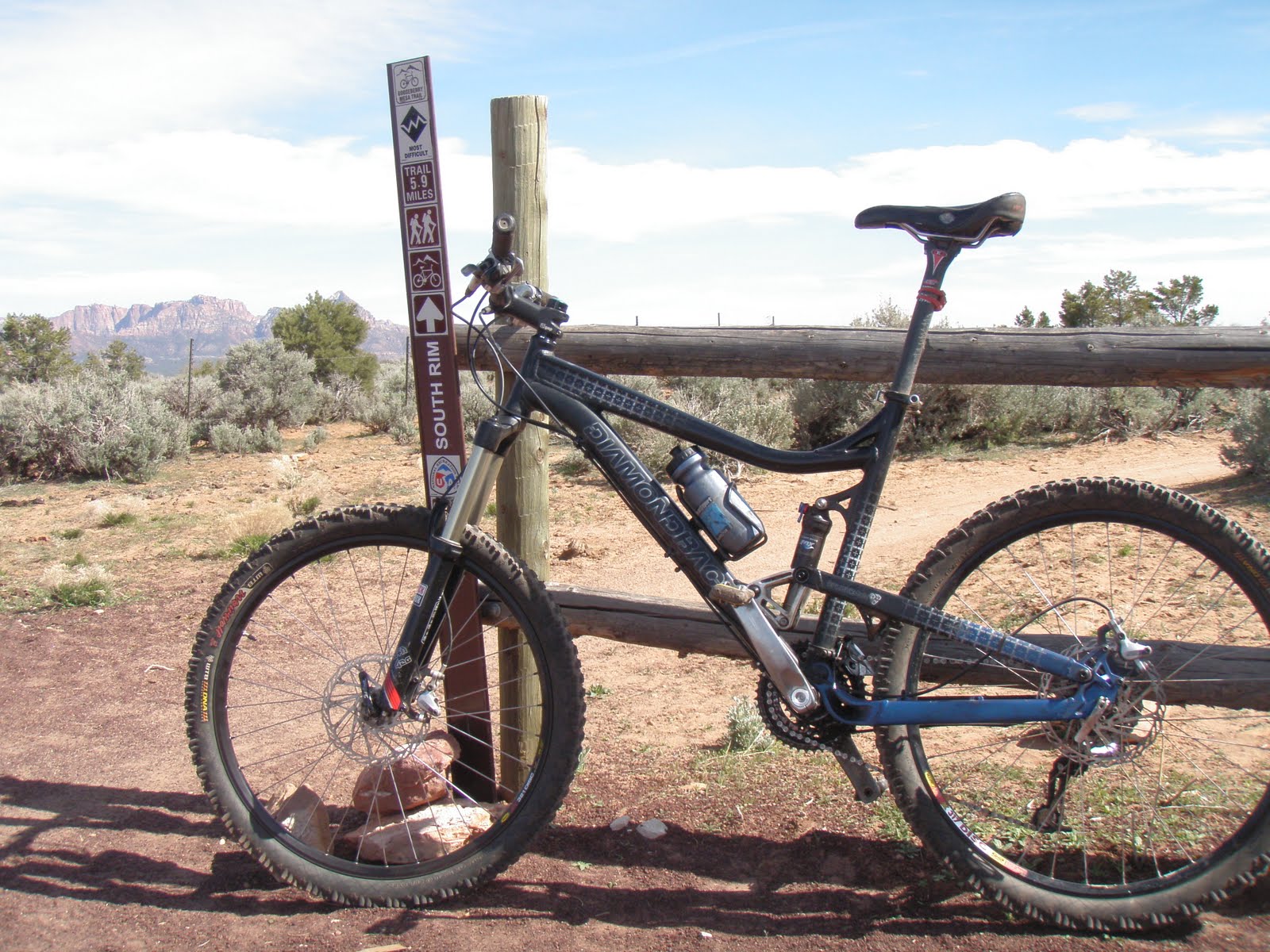

Friday, April 9, 2010
Urban Assualt

Urban Assault Ride - May 16
The Urban Assault Ride™ is a truly unique cycling event...and quickly becoming one of the biggest in country! Here's how it works: Teams of two will set out on a city-wide quest for 'checkpoints' on their favorite two-wheeled steeds. At each checkpoint, riders drop their bikes and complete a funky/adventurous obstacle course, then remount the bikes and hit the streets for more.
The most clever are often the victors but it may also help if you can pull a mean big-wheel powerslide and fly across an inflatable slip-n-slide ;)
The after party is just as much fun as the ride itself, thanks to the craziest raffle prize contest ever experienced.
Evergreen has the opportunity to partner with New Belgium to bring this event to life! We're now accepting volunteers to help staff the event. Here is your chance to help Evergreen thrive. New Belgium will be donating cash based on the volunteer participation and a share of beer sales at the afterparty to Evergreen! We have the opportunity to earn thousands of dollars to fuel Evergreen's key projects, come on out and help make it happen.
Sign up now to reserve your spot. Every volunteer will receive:
-A cool event t-shirt
-Lunch
-Beer!
Please send an email to scottedison1@gmail.com with your name, contact number, and total number of volunteers in your party.
Thursday, April 8, 2010


Tuesday, April 6, 2010
New owner of Galbraith Mountain takes over; plans 90-day review of biking mecca
BELLINGHAM - Trillium Corp. has given up its option to buy back Galbraith Mountain from Polygon Financial of Bow, and the new owner has started a 90-day assessment of the 3,215-acre property long known as a mecca for mountain bikers.
"There will be no change in the next 90 days," said Blair Murray, owner of Tin Rock Management, which is managing the property for Polygon. "It will be a time of review and reflection on the property. At the end of those 90 days, we hope to put together a strategy."
The assessment period started April 1, at the end of Trillium's contract to manage the property during the transition, according to Murray.
The baseline review will look at past and current use on the mountain, including timber and recreation.
Bellingham-based Trillium ceded the property to Polygon "in lieu of foreclosure" on Oct. 22, according to property records on file with the Whatcom County auditor.
Trillium had an option that lasted until Oct. 16, 2010, to buy back the property from Polygon. Trillium surrendered the option Jan. 29.
Trillium representatives could not be reached for comment.
Murray also is working on a 90-day interim agreement with the WHIMPs Mountain Bike Coalition, which had a "revocable license" with Bellingham-based Trillium to build and use bicycle trails on the mountain - provided the trails met safety standards that would give Trillium some protection against liability for accidents.
Murray described the mountain biking group as "very good stewards of the mountain."
A representative for the group hopes that reputation will mean good news in the future.
"The WHIMPs Mountain Bike Coalition certainly hope that we can come to a long-term agreement to continue in some way, shape or form our help in managing that area," said Mark Peterson, president of the mountain biking organization.
The agreement with Trillium meant the group has been the official steward of the area for more than seven years, Peterson said, and its volunteers have built a network of trails totaling 42 miles on Galbraith Mountain, the common name for North Lookout Mountain.
"Over that time it has become an incredible community resource and truly a nationwide destination for mountain biking," Peterson said, adding that Galbraith has become increasingly popular with hikers and runners as well.
"On the other hand, we do understand that it's private property and things can change any time," he said.
Mountain bikers had used Galbraith as a playground for years before Trillium assumed ownership. Trillium's agreement with WHIMPs marked the first time bike use was officially recognized on the mountain since the sport came to Bellingham in the 1980s.
Trillium acquired the property in 2001 from Bloedel Timberlands and used the property to help secure a $17 million loan from Idaho-based Old Standard Life Insurance Co. in 2002. Old Standard was an affiliate of Metropolitan Mortgage Co. of Spokane, which collapsed in 2004 and left thousands of investors in the lurch.
In 2005, when Old Standard was under the oversight of Idaho insurance regulators, the company sold its interest in the Galbraith property to Polygon with regulators' approval. That made Polygon the holder of the mortgage on the Trillium property.
Trillium has tried to start the process of getting the forestry-zoned land on Galbraith reclassified for eventual residential development. The Whatcom County Council voted against that request in 2006 and 2007.
"There will be no change in the next 90 days," said Blair Murray, owner of Tin Rock Management, which is managing the property for Polygon. "It will be a time of review and reflection on the property. At the end of those 90 days, we hope to put together a strategy."
The assessment period started April 1, at the end of Trillium's contract to manage the property during the transition, according to Murray.
The baseline review will look at past and current use on the mountain, including timber and recreation.
Bellingham-based Trillium ceded the property to Polygon "in lieu of foreclosure" on Oct. 22, according to property records on file with the Whatcom County auditor.
Trillium had an option that lasted until Oct. 16, 2010, to buy back the property from Polygon. Trillium surrendered the option Jan. 29.
Trillium representatives could not be reached for comment.
Murray also is working on a 90-day interim agreement with the WHIMPs Mountain Bike Coalition, which had a "revocable license" with Bellingham-based Trillium to build and use bicycle trails on the mountain - provided the trails met safety standards that would give Trillium some protection against liability for accidents.
Murray described the mountain biking group as "very good stewards of the mountain."
A representative for the group hopes that reputation will mean good news in the future.
"The WHIMPs Mountain Bike Coalition certainly hope that we can come to a long-term agreement to continue in some way, shape or form our help in managing that area," said Mark Peterson, president of the mountain biking organization.
The agreement with Trillium meant the group has been the official steward of the area for more than seven years, Peterson said, and its volunteers have built a network of trails totaling 42 miles on Galbraith Mountain, the common name for North Lookout Mountain.
"Over that time it has become an incredible community resource and truly a nationwide destination for mountain biking," Peterson said, adding that Galbraith has become increasingly popular with hikers and runners as well.
"On the other hand, we do understand that it's private property and things can change any time," he said.
Mountain bikers had used Galbraith as a playground for years before Trillium assumed ownership. Trillium's agreement with WHIMPs marked the first time bike use was officially recognized on the mountain since the sport came to Bellingham in the 1980s.
Trillium acquired the property in 2001 from Bloedel Timberlands and used the property to help secure a $17 million loan from Idaho-based Old Standard Life Insurance Co. in 2002. Old Standard was an affiliate of Metropolitan Mortgage Co. of Spokane, which collapsed in 2004 and left thousands of investors in the lurch.
In 2005, when Old Standard was under the oversight of Idaho insurance regulators, the company sold its interest in the Galbraith property to Polygon with regulators' approval. That made Polygon the holder of the mortgage on the Trillium property.
Trillium has tried to start the process of getting the forestry-zoned land on Galbraith reclassified for eventual residential development. The Whatcom County Council voted against that request in 2006 and 2007.
Monday, April 5, 2010

Sunday, April 4, 2010
Saturday, April 3, 2010
Wednesday, March 31, 2010
Monday, March 22, 2010
Sunday, March 21, 2010

Friday, March 19, 2010
Reckless driver assaults bicyclist and calls cops -- on himself
-- By Times staff reporter Christine Clarridge:
Police are asking prosecutors to file reckless driving and assault charges against a Seattle man who nearly ran down two bicyclists on First Avenue, opened his car door into one of them and then twice flipped the same bicyclist off his bike.
According to a Seattle police report released Friday, the two bicyclists were stopped at a red light near the 2800 block of First Avenue on Monday when a man in car raced up to the intersection and slammed on the brakes just before hitting the cyclists.
One bicyclist told police he made a "slow down" motion to the driver with his hand. But when the light turned green, the driver revved his engine, swerved around the bicyclists and sped off, according to the report.
One of the bicyclists followed the driver with the intention of getting the plate number, police said. When he approached the car, which had pulled over to park in the 2300 block of First Avenue, the driver opened his car door, striking the bicyclist, witnesses told police.
The victim fell from his bike and the driver got out of the car, police said.
The victim got back on his bike and planned to leave, he told police, but the driver stopped him by twice picking up the back wheel of his bike and flipping the rider over the handlebars.
The driver walked into a nearby bar on First Avenue, where he works as a bartender, and called police. The man told police that the bicyclist had intentionally run into his car.
When police arrived to talk with the man they noticed he "had a very strong aroma of alcohol on his breath," according to police. When one of the officers walked outside to his patrol car to see if he could get a portable Breathalyzer delivered to the scene, the bartender/driver went out the back door, police said.
Police didn't leave empty-handed, however. They impounded the man's car.
Several witnesses corroborated the bicyclist's story, police said.
Police spokeswoman Renee Witt said Friday that the 33-year-old suspect remains at large and is being sought by police.
Police are asking prosecutors to file reckless driving and assault charges against a Seattle man who nearly ran down two bicyclists on First Avenue, opened his car door into one of them and then twice flipped the same bicyclist off his bike.
According to a Seattle police report released Friday, the two bicyclists were stopped at a red light near the 2800 block of First Avenue on Monday when a man in car raced up to the intersection and slammed on the brakes just before hitting the cyclists.
One bicyclist told police he made a "slow down" motion to the driver with his hand. But when the light turned green, the driver revved his engine, swerved around the bicyclists and sped off, according to the report.
One of the bicyclists followed the driver with the intention of getting the plate number, police said. When he approached the car, which had pulled over to park in the 2300 block of First Avenue, the driver opened his car door, striking the bicyclist, witnesses told police.
The victim fell from his bike and the driver got out of the car, police said.
The victim got back on his bike and planned to leave, he told police, but the driver stopped him by twice picking up the back wheel of his bike and flipping the rider over the handlebars.
The driver walked into a nearby bar on First Avenue, where he works as a bartender, and called police. The man told police that the bicyclist had intentionally run into his car.
When police arrived to talk with the man they noticed he "had a very strong aroma of alcohol on his breath," according to police. When one of the officers walked outside to his patrol car to see if he could get a portable Breathalyzer delivered to the scene, the bartender/driver went out the back door, police said.
Police didn't leave empty-handed, however. They impounded the man's car.
Several witnesses corroborated the bicyclist's story, police said.
Police spokeswoman Renee Witt said Friday that the 33-year-old suspect remains at large and is being sought by police.
Monday, March 15, 2010
Sunday, March 14, 2010
Saturday, March 13, 2010
2nd Annual Double Down Hoe Down MTB DH Race

The 2nd Annual Double Down Hoe Down presented by WheelSport East is scheduled for March 20th and 21st. Registration is now open for the annual 2 day DH on 2 separate courses at Spokane, Washington's Beacon Hill. This USA Cycling Sanctioned event will kick off the Pacific Northwest racing scene by offering a unique venue. I consider Beacon Hill to be the 'Spring Training' of DH racing because they provide no shuttles - You push your bike up just as hard as you pedal your bike down. This race is fantastic on so many levels, let me explain.
This race is a combined effort between 2 shops- Chris Andreasen, Race Organizer and Owner of the Bike Hub really impressed a lot of racers last year. Handling a race is not easy, your ear literally falls off from the never ending questions, usually repeating the same 'rule' twice. Chris loves to race his bike and it shows through this event. But without Josh and Chris over at Wheelsport East this event wouldn't run straight. It's purely a very simple race. No shuttles (or for my UK friends 'uplifts'). You hike 20-25 minutes up for a great 4 min ride down. I enjoy it because you get to hit the track in sections, and practice each one until your line feels right and then you walk up to the top and rip a full run. There are jumps, berms, drops, huge granite rocks, technical sections, wide open sections and for the expert/pro's - there's a grand finale rock garden that packs the crowds in...it's seriously like being in Europe. Cowbells are blazing loud in this zone! For those of you just starting out to race - Beginners and Sports, you get a nice safe track to the bottom.
All I can say is the racing experience is awesome at the Double Down Hoe Down. The area to ride is massive with XC trails, DH/FR trails and tons of dirt jumps - you can bring a whole quiver and everything will get used - there are lots of fun things around Spokane to stop and session. Hanging out at the perfectly sculpted dirt jumps are Joe Perrizo and Skye Skillhammer who are throwing down a daily air show demonstration.
Practice starts Friday March 19th at 9am and ends at 5pm. Practice begins again 7:30am on both days and goes until 11am. The downhill race will start at noon on both days with awards promptly at 4pm or earlier. All racers must have a full faced helmet, no racer will be permitted to race with an open face, skate style helmet. So don't try. USA Cycling is strictly enforcing this rule this year.
It's a must see, must experience event if you love riding a bike. Entry is only $25 bucks per day. You can flash your USA Cycling License, but if your current permit isn't renewed - then your points get flushed. Make sure you have your current $60 permit if you're racing Expert or Pro classes. Day Permits are $5 bucks (per day/race) and will be sold on site at registration. Registration, Directions and Lodging information is on the All Gravity Series website here.
See ya in the hot seat!
-Mike 'northwestdhdad' Estes
Subscribe to:
Posts (Atom)